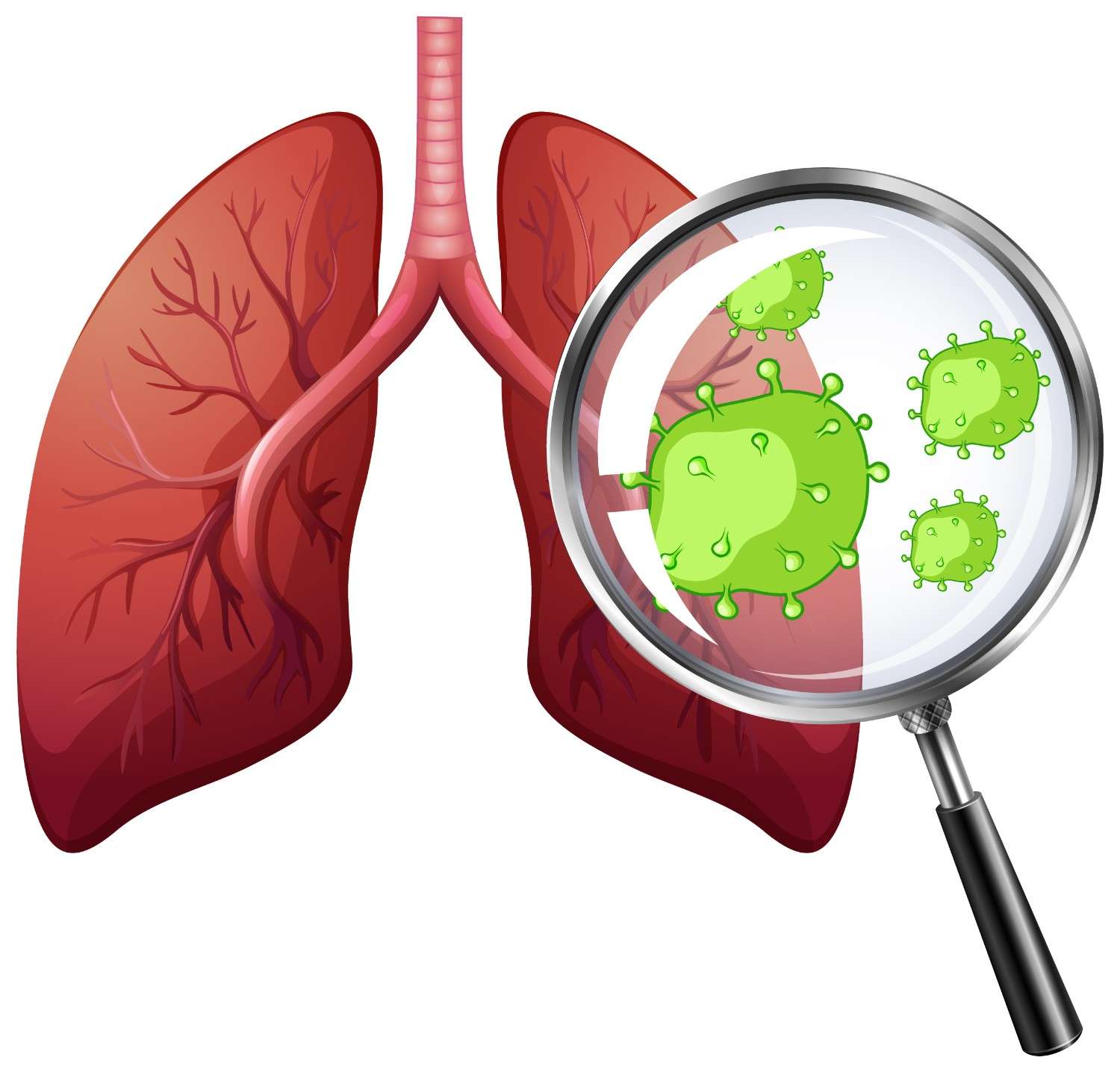
It refers to a group of chronic lung disorders that cause inflammation and scarring (fibrosis) of the lung tissues. This scarring gradually makes the lungs stiff, reducing their ability to expand properly and making it difficult for oxygen to pass into the bloodstream. Over time, ILD can lead to serious breathing difficulties and reduced lung function if not diagnosed and treated early.
ILD may develop due to long-term exposure to dust, chemicals, pollution, smoking, autoimmune diseases, certain medications, infections, or unknown causes. People working in industries involving asbestos, silica, coal dust, or chemicals are at a higher risk. Conditions such as rheumatoid arthritis, scleroderma, and lupus can also contribute to the development of ILD.
In many patients, symptoms appear slowly and may worsen over months or years. Early symptoms are often mistaken for asthma, aging, or general weakness, which may delay diagnosis.
Diagnosis of ILD usually involves a detailed medical history and specialized investigations, including:
These tests help determine the extent of lung damage and identify the specific type of interstitial lung disease.
Although some forms of ILD cannot be completely cured, proper treatment can help slow disease progression and improve quality of life. Treatment options may include:
Preventing lung damage and maintaining respiratory health are very important in ILD management. Preventive measures include:

Hno. 160, I – Block, Sarabha Nagar, Ludhiana, Punjab 141001
noblechestandallergyclinic5@gmail.com
+91-8968605835
+91-7888712825